
Acrylic Handbags
Part of the appeal of acrylic handbags is the material itself: how it looks, how it feels and how it changes with use. If the material is natural, expect slight variation in colour and texture from piece to piece. If you already own travel bags in another material, think about whether the two will sit well together.
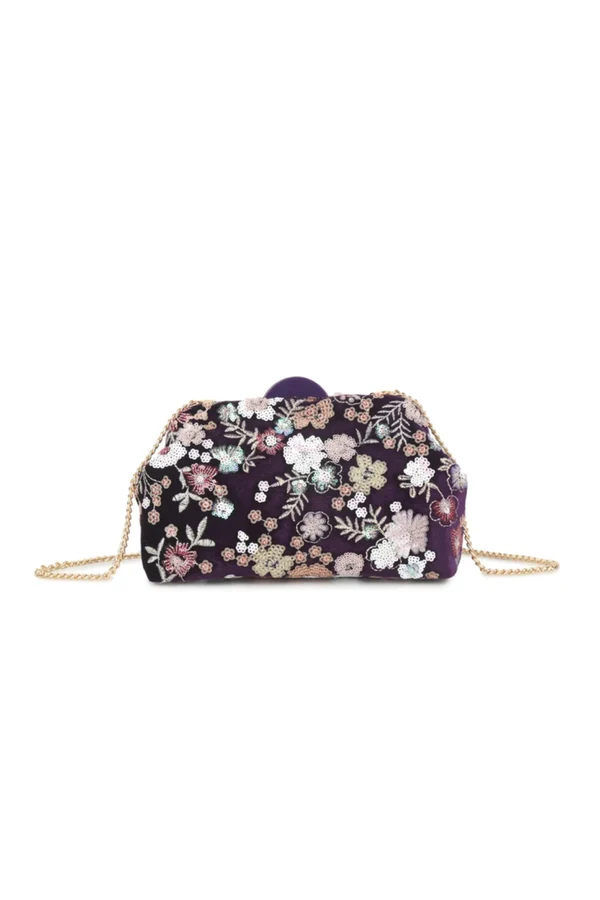

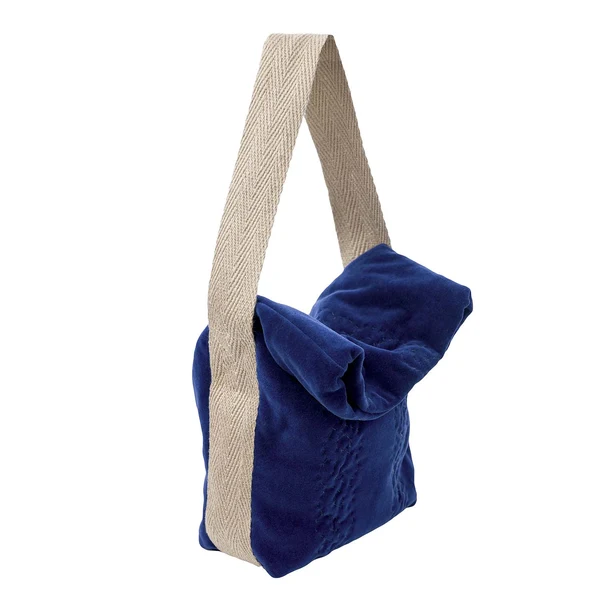
What actually matters here
A collection mixes product types, so pick the type first, then compare the options within it on the points that matter.
- Structured specifications verified on each product page
How to choose
- Look past the material name to the grade, composition and finish described.
- Think about exposure to water, heat or sunlight where it will be used and kept.
- Consider how the material ages; some soften or develop a patina, others stay unchanged.
Frequently asked questions
How practical is this material for daily use?
Daily practicality depends on the material's grade and finish; for acrylic handbags used every day, look for a forgiving surface that is easy to care for.
Where can I compare acrylic handbags with every other material?
To compare acrylic handbags with the same kind in every material, step back to the wider kind: Handbags.
Will this material show marks?
Some materials show marks, scratches or creases more readily than others; for acrylic handbags, a textured or matt finish tends to hide everyday marks better than a glossy one.
How does the material affect acrylic handbags?
In acrylic handbags, the material sets weight, feel, appearance and upkeep, and it shapes how each piece ages with regular use.